Unpacking the Unclaimed Baggage Scam: Protect Yourself Online



Key Takeaways
- $10 unclaimed luggage deals are a scam: Airports don’t sell lost bags through random social media ads. These posts are designed to trick you with deals that sound too good to be true.
- Scammers fake everything to look real: They create bogus airport pages, use edited photos, and add fake comments from “happy buyers” to build trust.
- Clicking the ad can cost you more than $10: The links lead to fake websites that ask for your personal and payment details, which scammers use to steal money or commit identity theft.
- Real unclaimed luggage sales don’t work this way: Legitimate sales happen through official auctions or authorized stores, not through Facebook posts with urgent countdowns.
- Stay cautious and use protection tools: Be skeptical of flashy online deals, avoid entering your details on unfamiliar sites, and use security tools that can block scam sites and phishing attempts in real time.
Traveling can be an exciting experience, but it can also come with its share of annoyances, like delayed flights or the dread of lost luggage. Ever wonder what happens to all those lost and unclaimed bags? Some people have turned this mini disaster into a scam, offering to sell unclaimed luggage for $10 a suitcase. Imagine how exciting it could be to buy an unclaimed bag filled with unknown treasures like clothes, jewelry, and electronics. It sounds like a deal too good to pass up, right? Unfortunately, it is… And it’s a new and creative way criminals are taking advantage of unsuspecting people.
In this article, we'll explore a new scheme taking over social media, dubbed the unclaimed baggage scam. We'll get into the nitty-gritty, uncover how the scam works, and give you the latest gossip on how Guardio can keep you safe from falling victim. So pack your bags and get ready for lift-off!
{{component-cta-custom}}
What Are Unclaimed Baggage Scams?
We’ve all been there—standing by the baggage carousel, eagerly waiting for our bags, only to be left in a complete panic when they don’t show up. So, you mosey on over to the airport desk, give them your details, and hope for the best. Usually, a few days later, you get a call saying your bag took a detour to the Bahamas while you ended up in Connecticut. No worries, though! The airline promises to deliver it to you soon, and if you have insurance, they even cover your emergency shopping spree.
Truthfully, most bags do end up back with their owners, and for every 1,000 passengers, only 7.6 bags are mishandled. Of these, 80% are delayed and will eventually be returned to their owners, 13% are damaged or pilfered, and 7% are lost or stolen.
So what happens with lost bags that no one claims? Where do they go? Here’s the scoop: Airlines keep unclaimed luggage at the terminal for about five days. After that, the bags are sent to a central warehouse. If no one claims them within about 60 days, the airlines either donate the bags to charity or sell them to salvage companies. Simple, right?
Scammers think so… They’ve taken this tedious but necessary process and turned it into an exciting web of lies aka airport baggage scams. Picture this: fake ads and social media posts claiming major airports are selling unclaimed bags for just $10!

How Does Unclaimed Luggage Fraud Work?
Inspired by the success of legitimate unclaimed luggage stores, scammers have launched their scheme across various cities, including Dublin, New Zealand, and Croatia. Using fake Facebook accounts and pages with Photoshopped images of piles of bags at major airports like Chicago O’Hare and Dallas-Ft. Worth.
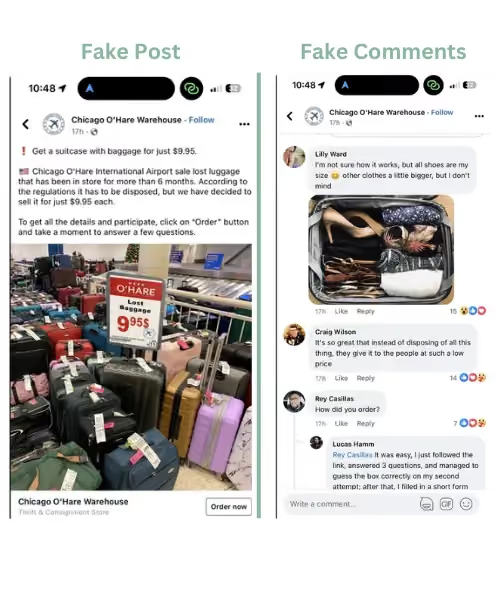
The image above is a great example claiming that the Chicago O’Hare International Airport warehouse is being urgently emptied, and all luggage left unattended for more than six months will be sold. The luggage is supposed to be legally disposed of, but they’re offering it for just $9.95. As you can see, the post is often supported by comments from fake users raving about the amazing deals they got from their mystery bags.
{{component-did-you-know-custom}}
Unpacking the Luggage Scam
Scammers are becoming increasingly crafty with their tactics, and the lost luggage scams are no exception. Here’s how they pull it off:
Creating Fake Facebook Accounts and Pages
Scammers set up bogus Facebook accounts and pages that appear to be official airport pages worldwide, including New Zealand, Australia, the USA, and many others.
Using Fake Images
They post Photoshopped images of piles of luggage with airport logos and signs to make the scam look legitimate.
Crafting Convincing Messages
The scammers weave a story of urgency and charity, claiming they are clearing out airport warehouses and selling unclaimed luggage for a very low price to make space. They often use the local currency and language to match their target country.
Posting Fake Testimonials
A network of fabricated profiles comments on the posts, posing as happy customers who received valuable items in their suitcases. Comments include stories of finding expensive shoes, perfumes, electronics, and more.
Directing to Fake Websites
When users click the "shop now" button, they get redirected to a phony airport website that looks totally legit. Here, they’re prompted to provide personal information, like their name, address, banking details, and credit card numbers.
Stealing Sensitive Information
The scammers’ ultimate end goal is to collect this sensitive information and use it to steal your cash, conduct fraudulent activities, or even commit identity theft.
While it is possible to buy unclaimed luggage, it typically happens through private auction houses or airport auctions, not through random social media ads. Airports commission these sales legally, and they don’t conduct random charity events selling unclaimed bags for a few dollars.
Baggage Scam Prevention Tips
Lost luggage scams exploit the thrill of the unknown and the hope of finding a treasure at a low cost. Whenever it comes to online deals it’s always a good idea to be skeptical of too-good-to-be-true offers, especially on social media. Verify the legitimacy of the seller and avoid making payments through unsecured methods. Cybersecurity tools like Guardio can help you with identifying baggage fraud, blocking scammy websites, avoiding luggage scams, and protecting your personal information.
{{component-tips}}
Here’s How Guardio Can Protect You
- Immediate scam blocking: If you do end up mistakenly clicking on a too-good-to-be-true scam, Guardio will immediately block it and keep you safe.
- Block fake websites: Guardio detects and blocks fake websites designed to steal your information.
- Phishing protection: Guardio identifies and stops phishing attempts, preventing scammers from accessing your personal data.
- Secure social accounts: Guardio helps secure your social media accounts, protecting your socials from account takeover and hijacking.
- Real-time threat detection: Guardio provides real-time alerts about potential threats, keeping you informed and protected.
- Data breach alerts: Guardio notifies you if your personal information is found in data breaches, allowing you to take immediate action.
The Bottom Line
Airports don’t offer unclaimed bags for $10, no matter how enticing it sounds. These deals are just scams designed to steal your money and personal information. Stay sharp, and remember that cybersecurity software like Guardio is always a good idea to keep you safe online. Keep your digital life secure and scam-free, and happy bargain shopping!
{{component-cta-custom}}
FAQs
Is it ever safe to buy unclaimed luggage online?
No, if you see unclaimed luggage being sold through social media ads or random websites, it’s almost certainly a scam.
- Search for the airport’s official site directly instead of clicking the ad, real auctions are clearly listed there.
- Avoid impulse buys driven by countdown timers or “warehouse clearance” language.
- Check the domain age and spelling, newly registered or slightly misspelled domains are major red flags.
- Use browser protection that flags suspicious shopping sites before you enter payment info.
If you’re unsure about a deal, review these tips on safe online shopping before entering your details.
What happens if I already entered my payment details on a fake luggage site?
Act fast, quick action can reduce financial damage and identity theft risks.
- Call your bank immediately and request a card freeze or replacement.
- Monitor transactions daily for at least a few weeks.
- Change passwords on any accounts that share the same login details.
- Enable real-time scam blocking to prevent follow-up phishing attempts.
If you clicked the link but aren’t sure what to do next, follow this step-by-step guide on what to do after clicking a phishing link.
How do scammers make fake airport pages look so convincing?
They copy branding, logos, and even comment sections to create a false sense of trust.
- Inspect the page transparency section on Facebook to see when it was created.
- Look for name changes or very recent activity spikes.
- Hover over links before clicking to spot strange or unrelated URLs.
- Watch for emotional triggers like urgency, charity framing, or “last chance” language.
Understanding these tactics makes it easier to spot and avoid phishing scams before they cost you money.
Can Guardio block unclaimed baggage scam sites automatically?
Yes, Guardio blocks malicious and phishing websites in real time before they can load.
- Turn on Real-Time Protection in your dashboard to ensure active blocking.
- Check your Browsing Activity page to see if Guardio already stopped a risky site.
- Use the mobile app to stay protected from scam links inside social apps.
- Report suspicious sites directly from the block page to strengthen protection for everyone.
You can learn more about how this works in Guardio’s overview of browsing protection.
How can I monitor my identity after falling for a scam?
Identity theft often happens weeks or months after the initial scam, monitoring is key.
- Add multiple email addresses and your phone number to your monitoring list.
- Set up data breach alerts so you’re notified immediately if your info leaks.
- Enable email security to catch follow-up phishing attempts.
- Use text message filtering to block scam SMS messages tied to your exposed data.
Here’s a practical guide on how to avoid identity theft online and what steps to take next.